How Regular NDIS Cleaning Services Improve Home Safety and Comfort
Quick Summary For NDIS participants in Sydney, a clean home...

If you’re an NDIS participant, or helping someone who is, you’ve probably heard the term “Home and Living Supports” thrown around a lot. Let’s break down what it actually means—without the confusing jargon—and more importantly, how to make sure you’re getting what you’re eligible for. This stuff matters. A lot. Because where and how someone lives affects everything else.
In NDIS language, “Home and Living” supports are basically the funding options that help a person with disability live safely and as independently as possible. That can mean help to live in your own home, live with others, or move out for the first time. It includes things like personal care support, help with daily tasks, or living arrangements that match a person’s disability needs.
These supports fall under categories like:
Each of these comes with its own set of rules. So you can’t just ask for “help at home” and get blanket funding for everything. It needs to be directly linked to your disability and must be considered “reasonable and necessary” under NDIS rules.

Because this is often the part of the plan that lets someone stay out of crisis mode. When done right, home and living supports help you stay clean, safe, housed, and supported. When done wrong—or not funded at all—you can end up in unsafe or unsuitable housing, relying too much on unpaid carers, or bouncing between hospital and temporary arrangements.
This is the real-life difference between getting through each day with support… or barely coping.
Let’s get practical. Here are the types of services that fall under this umbrella and how they connect to what we do at NDIS Cleaning Corp:
This covers stuff like getting help to shower, cook, clean, shop, or manage your day-to-day routine. This is where a lot of our clients use their NDIS funding for cleaning services, pest control, lawn mowing, or deep sanitising after illness (like COVID).
We’ve worked with participants whose support workers couldn’t keep up with the state of the property. That’s where our team steps in—to do the kind of cleaning that keeps the environment hygienic and safe. That means real outcomes: reduced risk of infection, better mental health, and more independence.
SIL is for people who need help 24/7 or at least regularly to live in a shared or individual setting. This is typically funded for people with higher support needs.
We often work with SIL providers or participants to make sure the living space is up to standard—deep carpet cleans, regular bathroom sanitation, removal of mould, and more. Sometimes SIL providers try to cut corners with maintenance. Bad idea. NDIS audits can hit hard if cleaning or health standards aren’t being met.
ILO is a newer model. It’s more flexible and meant to be built around what the participant wants—where they live, who they live with, and what supports they receive.
ILO funding can be used creatively. It’s not about bricks and mortar; it’s about the support system. If a participant uses support workers for regular cleaning or chores, we often coordinate with their team to provide professional cleaning that complements what their daily supports do. Not replaces—complements. That’s important.
These are temporary solutions—STA for respite, MTA while waiting for long-term housing. They come with their own headaches, especially around hygiene. Most providers won’t deep clean between stays, and a lot of the spaces aren’t up to par.
We’ve been called in at the last minute before participants moved in, especially after a COVID outbreak or pest issue. Don’t assume the accommodation provider handles cleaning. Ask. And if they don’t, use part of your funding to bring someone in before the move-in date.
Simple: the participant suffers.
Hygiene problems cause real health issues. Lack of support around the home leads to loss of independence. And if your living environment fails to meet health or safety standards, it can trigger a review—or even a removal of funding if the NDIS believes it’s being misused.
Also, let’s not forget mental health. Living in a cluttered, dirty, or unsafe space increases anxiety, depression, and isolation. We’ve had hoarder clean-ups where participants were too embarrassed to let their carers or family in. Once the clean-up happened, their whole mindset changed. They could function again.
At NDIS Cleaning Corp, we work with all types of NDIS participants and support teams. We’ve been doing it for over 11 years. If you’re using your plan for home and living supports, and you’re not sure where we fit in, call us. We know the system. We know what works. And more importantly, we know how to get the job done properly so you don’t end up in breach of your plan or worse.
We clean, we sanitize, we remove pests, we mow lawns, we handle forensic and trauma scenes. It’s not glamorous work, but it matters. Your space should be safe, dignified, and livable. That’s the baseline.
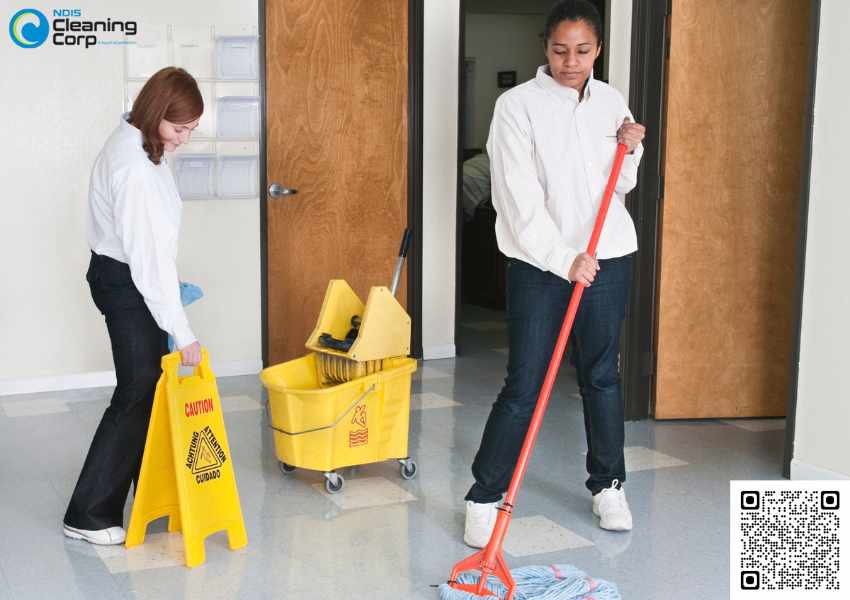
Quick Summary For NDIS participants in Sydney, a clean home...

Quick Summary The National Disability Insurance Scheme (NDIS) provides individualised...

If you’re an NDIS participant, or helping someone who is,...
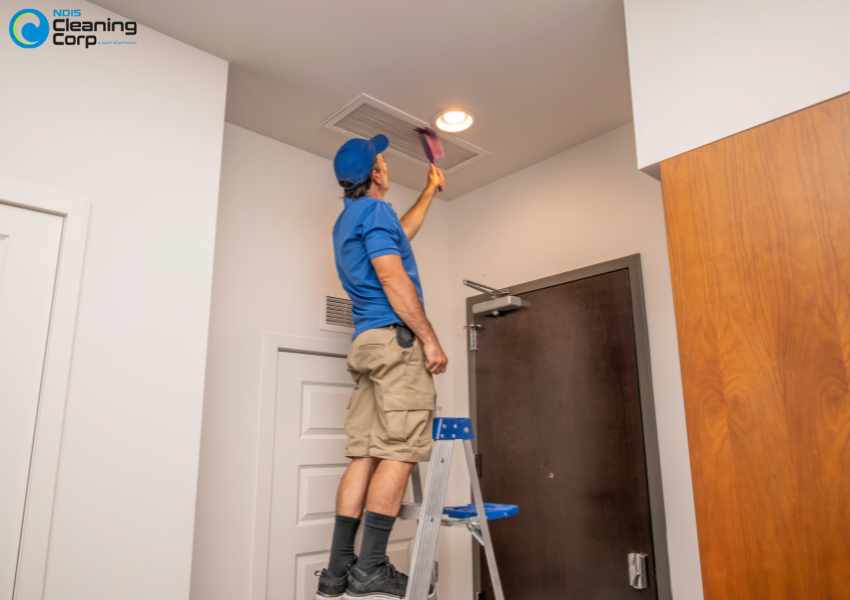
Yes. NDIS can cover house cleaning, but it depends on...
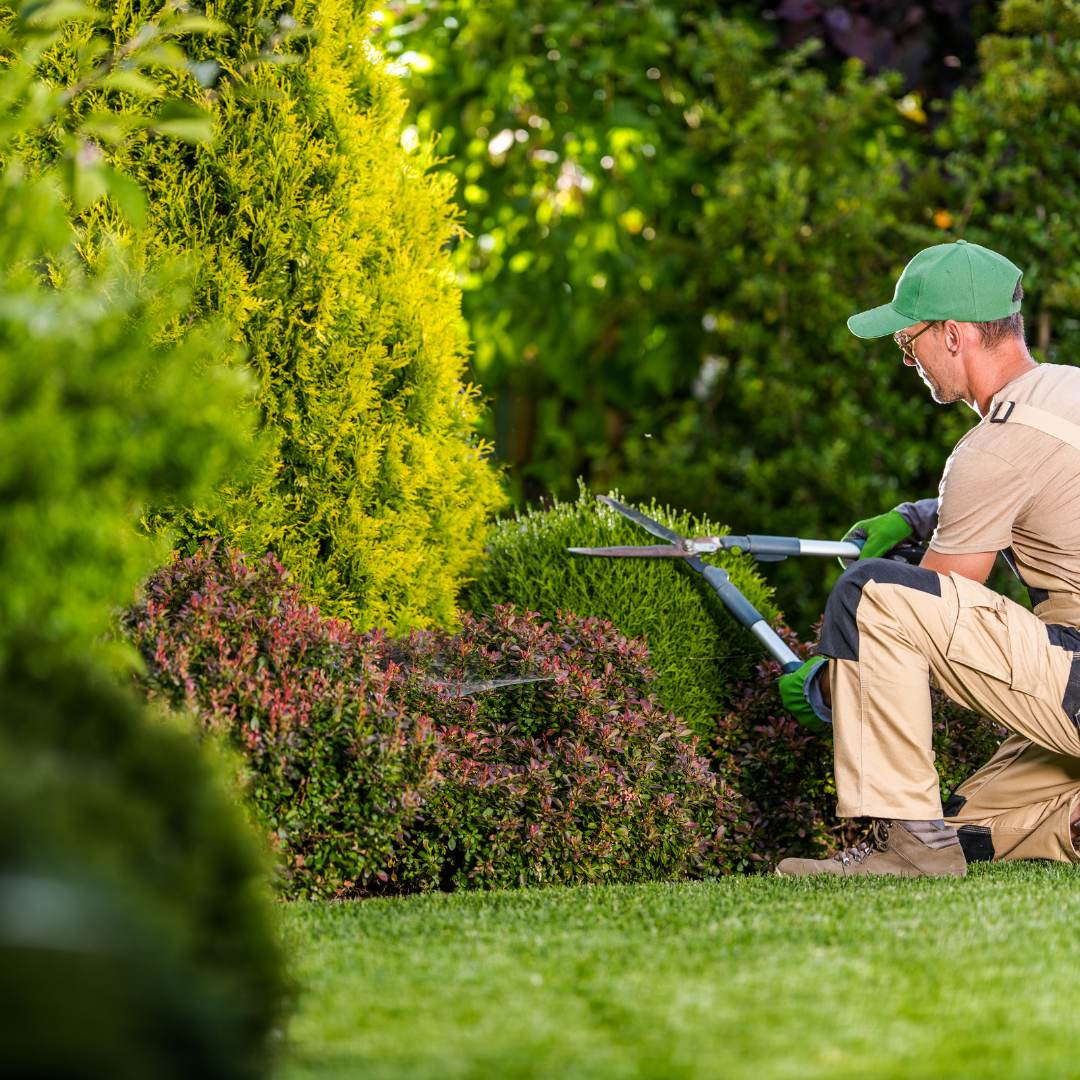
If you’re an NDIS participant or working with someone who...