How Regular NDIS Cleaning Services Improve Home Safety and Comfort
For NDIS participants, maintaining a clean and safe living environment...

Yes. NDIS can cover house cleaning, but it depends on your plan. And how it’s managed. Also what “cleaning” means in your situation. There’s no one-size-fits-all answer, and people get tripped up here all the time.
If you’re an NDIS participant and you’re finding it difficult to maintain a clean, safe home — whether that’s because of a disability, injury, mental health condition, or chronic illness — cleaning support might be included in your plan under Assistance with Daily Living. That’s the category where most cleaning support gets funded.
But here’s the thing: NDIS doesn’t just throw money at anything labeled “cleaning.” It has to be considered reasonable and necessary based on your individual needs.

So what does “house cleaning” under NDIS usually include?
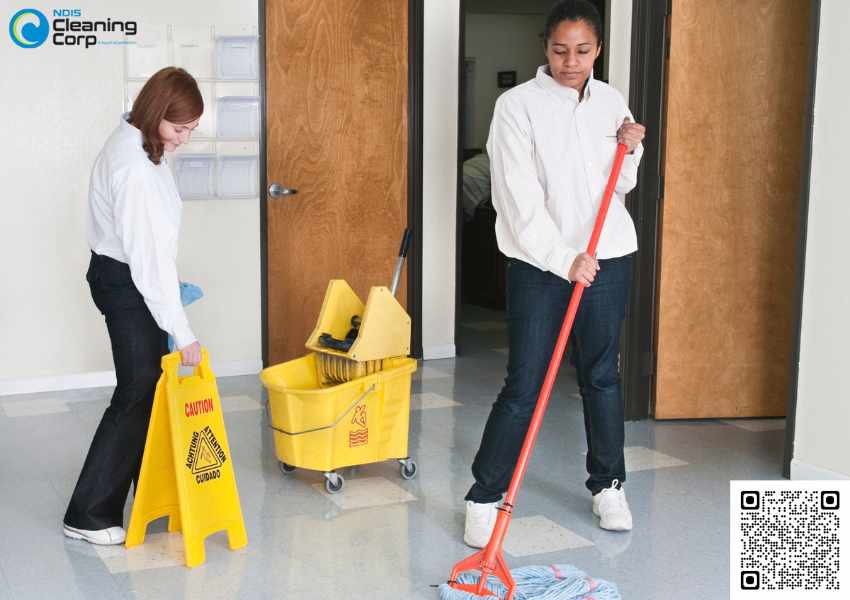
Think of it like this: It’s not luxury-level spring cleaning or random decluttering. It’s the kind of essential, recurring cleaning that keeps your space hygienic and safe. That usually includes:
Stuff that directly affects your daily health, hygiene, and safety. If your disability makes it hard for you to do those things — and it’s written into your plan properly — NDIS can cover a cleaner to help with it.
At NDIS Cleaning Corp, for example, we provide exactly that type of cleaning. We’re NDIS-registered, so if your plan is NDIA-managed or plan-managed, you can use us and get it funded. If you’re self-managed, you’ve got a bit more flexibility and can technically use anyone — but using a registered provider makes things easier when it comes to compliance and invoices.
Right at the start. Or during your plan review. Don’t wait until your place is unmanageable or affecting your mental health. You’ll want to bring it up with your support coordinator or LAC (Local Area Coordinator). Explain what tasks you struggle with. Be specific. “I can’t clean the shower” is better than “I’m bad at cleaning.”
Also — and this matters — document what happens when you don’t get help. If you’re avoiding rooms because of mould, or tripping on clutter, or skipping showers because your bathroom’s a mess… say that. These are real, practical things that show why the support is necessary.
Common mistakes people make
What happens if you don’t do it right?
Basically, you either don’t get the funding or you end up paying out of pocket. And that’s not cheap. Regular house cleaning services through NDIS generally get charged at a capped rate (currently around $55–$60/hour depending on the region and service type). If you go off-plan or use a non-approved provider with the wrong funding model, you risk wasting funds or getting audit issues down the line.
Also — and this is real — your mental and physical health can suffer fast in an unclean space. We’ve seen people lose access to rooms in their house, get recurring infections, or just spiral into stress and anxiety because things built up. A clean, functional environment isn’t about aesthetics. It’s about dignity, independence, and basic daily wellbeing.
A quick summary of how we do it at NDIS Cleaning Corp
Final thoughts
Yes, NDIS covers house cleaning — if it’s justified, planned for, and delivered by the right provider. Don’t leave it vague or last minute. Ask for it. Be clear. And work with people who understand the system.
We do this every day. We’ve helped thousands of NDIS participants get the cleaning support they need without drama. If you’re unsure whether you’re eligible or how to get started, call us. We’ll walk you through it — no obligation.
For NDIS participants, maintaining a clean and safe living environment...

The National Disability Insurance Scheme (NDIS) is designed to support...

If you’re an NDIS participant, or helping someone who is,...
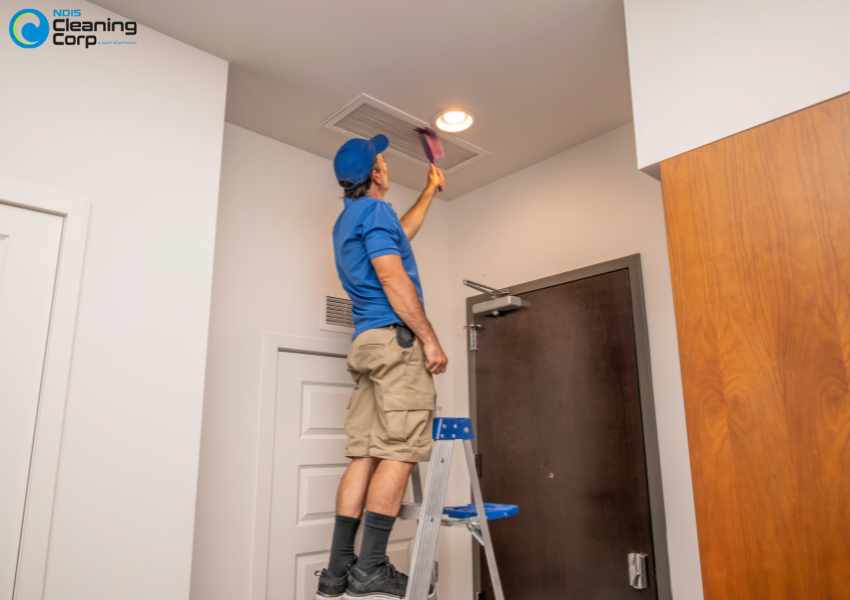
Yes. NDIS can cover house cleaning, but it depends on...
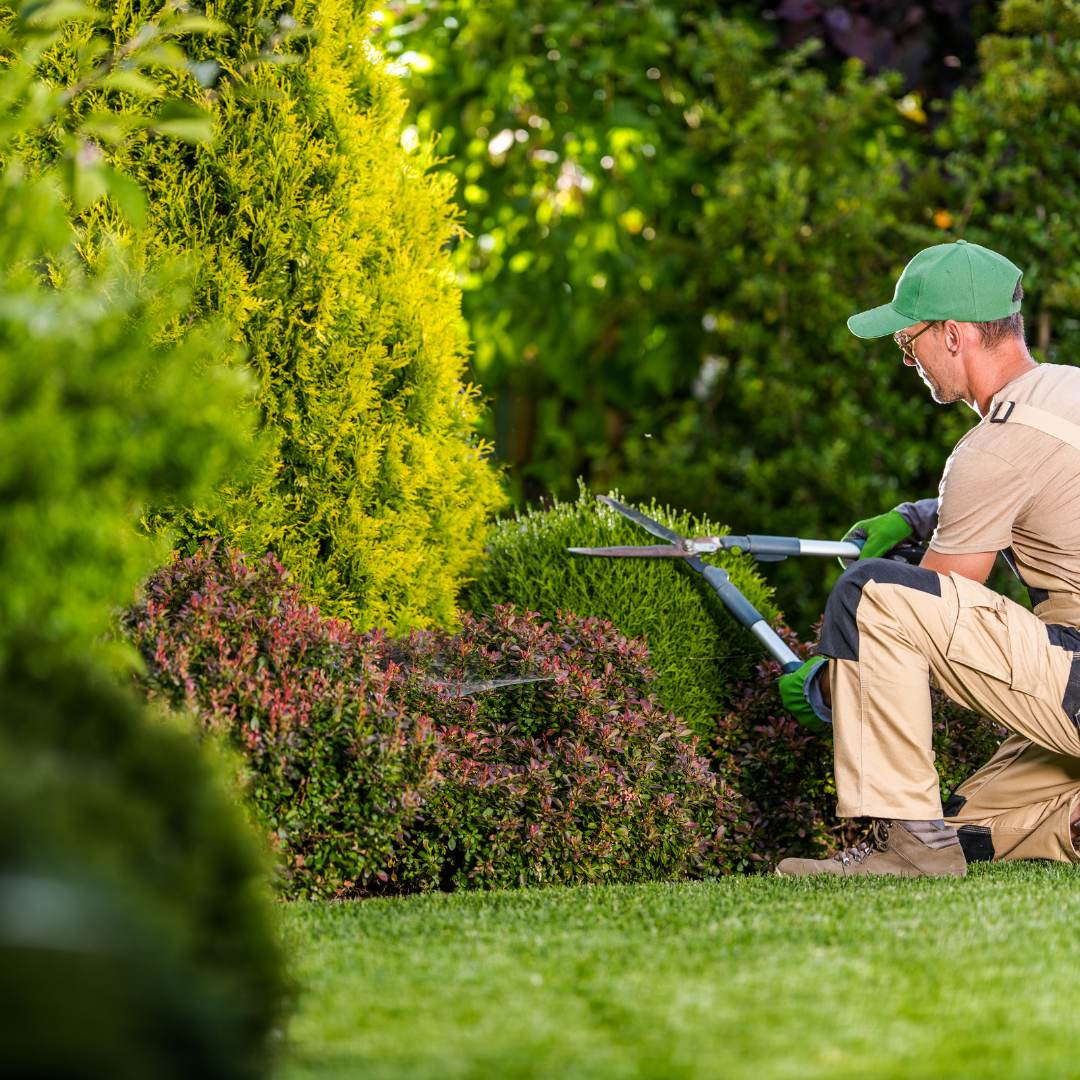
If you’re an NDIS participant or working with someone who...