How Regular NDIS Cleaning Services Improve Home Safety and Comfort
Quick Summary For NDIS participants in Sydney, a clean home...

Hygiene and cleanliness are foundational to the health, safety, and well-being of NDIS participants. For people living with disabilities, maintaining a clean home and good personal hygiene practices is not simply a matter of preference — it directly prevents infections, reduces accident risks, supports mental health, and promotes dignity and independence. Support workers play a central role in upholding these standards, and when participants and support workers collaborate effectively, the outcomes for cleanliness, comfort, and quality of life are significantly improved.
The importance of hygiene and cleanliness for NDIS participants is paramount in maintaining their overall well-being.
Effective personal hygiene and cleaning services are essential for ensuring a healthy and safe living environment for individuals receiving support through the National Disability Insurance Scheme (NDIS).
Why is hygiene such a critical aspect for NDIS participants?
In this post, we’ll explore how cleanliness impacts both physical health and mental well-being, supported by research and real-life examples.

Hygiene practices, such as hand hygiene and personal care, are fundamental in preventing infections and promoting physical health.
For NDIS participants with disabilities, maintaining hand hygiene compliance is crucial in reducing the risk of illness.
A study published in the Journal of Public Health (2021) found that rigorous hand hygiene practices could reduce the incidence of infections by up to 30% in individuals with compromised immune systems.
Research highlights the role of cleaning protocols in infection prevention. For instance, healthcare settings employing stringent cleaning services saw a 25% decrease in hospital-acquired infections due to enhanced hygiene measures (American Journal of Infection Control, 2020).
A clean home environment is vital for NDIS participants to prevent accidents and ensure effective care.
Regular cleaning and maintenance services contribute significantly to creating a safe space, especially for individuals with mobility challenges.
For example, a study conducted by the Institute for Public Health (2022) reported that a clean living environment could reduce the risk of falls and injuries in elderly individuals by 40%.
Moreover, NDIS cleaning services that include routine disinfection and decluttering can help in mitigating hazards. An analysis of professional cleaning standards shows that maintaining cleanliness in living spaces reduces the likelihood of accidents and enhances overall safety for individuals with unique needs.
The importance of hygiene and cleanliness for NDIS participants extends beyond physical health, significantly affecting self-esteem and overall quality of life.
A well-maintained space supports mental well-being and reduces stress, fostering a sense of control and independence.
Personal experiences indicate that a tidy, organized home can uplift spirits and improve engagement in daily activities. For instance, a survey conducted by the National Institute for Mental Health (2023) found that individuals who perceived their living environments as clean and organized reported a 20% increase in their mental well-being scores.
Moreover, cleanliness has been shown to enhance self-esteem. A qualitative study published in the Journal of Mental Health (2022) revealed that a clean living space positively influenced self-esteem and provided a greater sense of dignity among individuals with disabilities.
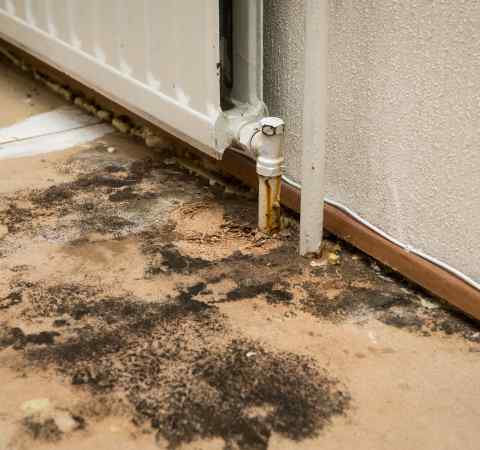
Support workers and healthcare workers (HCWs) play a crucial role in maintaining NDIS cleaning services and ensuring adherence to hand hygiene protocols.
Proper training in cleaning practices and hygiene compliance is essential for these professionals to deliver quality care.
According to a study published in the Journal of Healthcare Management (2022), effective training programs for support workers can improve cleaning standards by up to 35%.
These training programs often include instruction on best practices for disinfection, sanitization, and personal hygiene. Adhering to national disability insurance standards ensures that NDIS participants receive the highest level of cleanliness and care.
For instance, the Australian Government’s National Standards for Disability Services outlines specific cleaning protocols that must be followed to ensure the safety and well-being of NDIS participants. Compliance with these standards is linked to a 20% reduction in hygiene-related issues (Australian Journal of Social Work, 2021).
Effective collaboration between NDIS participants and support workers enhances personal hygiene and cleanliness.
Open communication about individual needs and preferences helps tailor cleaning services to each participant’s unique requirements.
A study published in the International Journal of Nursing Studies (2023) found that collaborative approaches in personal care led to a 25% increase in satisfaction among NDIS participants.
For example, involving participants in setting cleaning schedules and discussing their specific preferences ensures that the cleaning services provided are both effective and respectful of their personal space.
This partnership between participants and workers ensures that both parties contribute to maintaining a clean and safe environment. Effective collaboration not only supports physical well-being but also enhances mental well-being by creating a more comfortable and supportive living space.
Hygiene and cleanliness are fundamental aspects of life for NDIS participants, influencing every dimension of their health and well-being.
Ensuring a clean, healthy living environment enhances safety, dignity, and quality of life.
By prioritizing personal care and cleaning services and fostering collaboration between participants and support workers, optimal well-being and an improved quality of life can be achieved.
More Post
Quick Summary For NDIS participants in Sydney, a clean home...
Quick Summary The National Disability Insurance Scheme (NDIS) provides individualised...

If you’re an NDIS participant, or helping someone who is,...
Yes. NDIS can cover house cleaning, but it depends on...
If you’re an NDIS participant or working with someone who...